Flavor Profiles
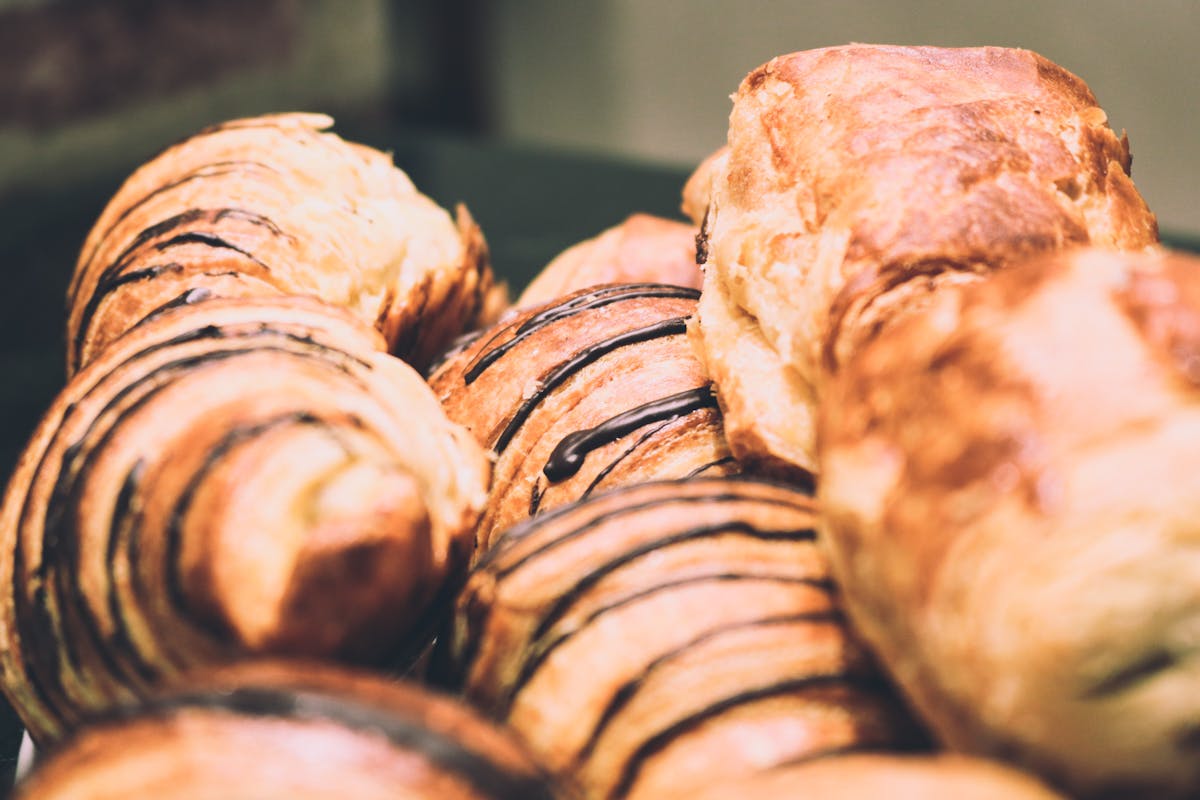
The unique buttery and mildly nutty flavor of croissants is a standout in the world of pastry. This classic treat owes much of its success to the perfect ratio of butter to flour, which enhances the croissant’s flakiness and creates a rich, creamy texture that lingers on the palate. The Maillard reaction during baking contributes further by giving the croissant its beautifully golden crust and adding complexity to its flavor.
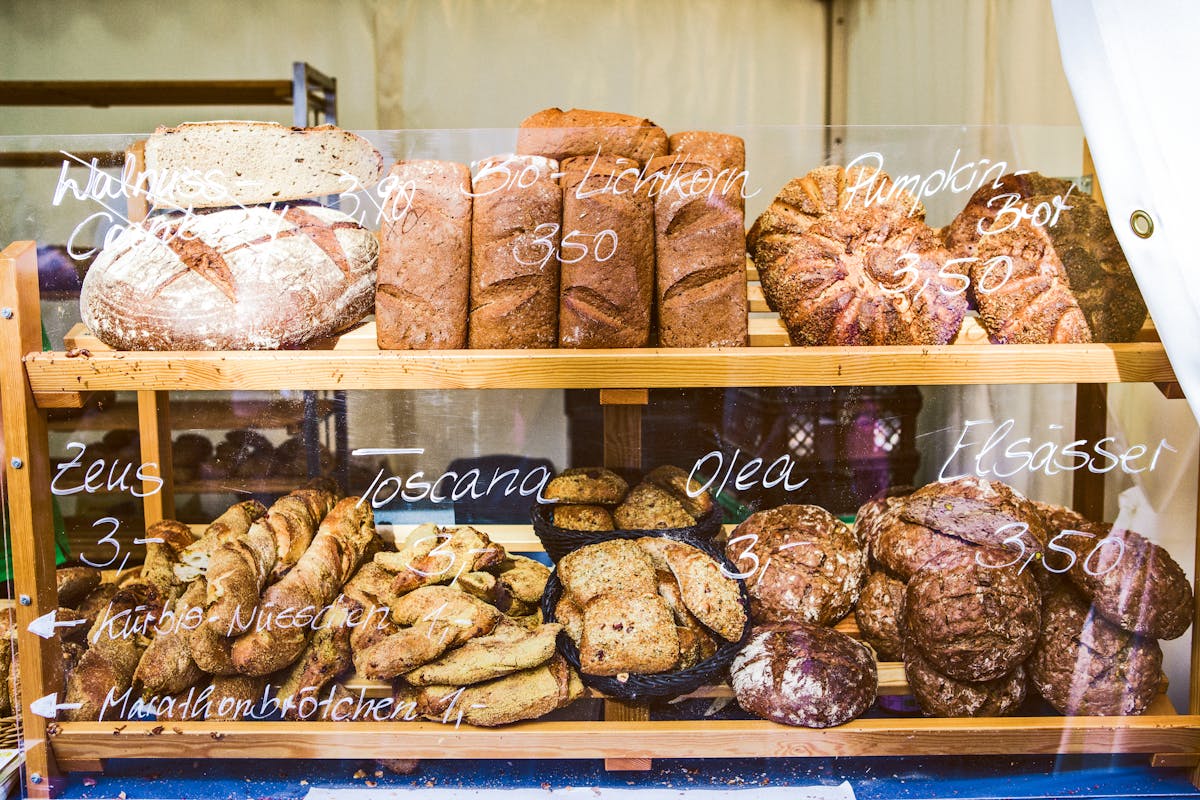
However, croissants are just one part of the broader spectrum of pastry flavors. Other pastries bring a wide range of tastes through various toppings, spices, and fillings. For instance, fruit fillings can introduce a refreshing tartness that balances out sweetness, while almond paste adds a rich, sweet, and slightly earthy flavor. Chocolate, on the other hand, can turn a simple pastry into a luxurious indulgence with its deep, decadent quality.
Regional variations also play a significant role in the diversity of pastry flavors. In France, pastries might feature local fruits like figs or cherries, while in Italy, ingredients such as ricotta and citrus bring entirely different flavors to the table. These regional influences highlight how local ingredients and traditions shape the flavor profiles of pastries, offering a unique culinary experience that reflects both artistry and cultural heritage.
Dietary Considerations

When considering the dietary impact of croissants, it’s important to take a close look at their nutritional value, as this can greatly influence dietary choices. Croissants, known for their buttery and flaky texture, are calorie-dense.
A medium-sized croissant typically contains between 200 and 300 calories, with 10 to 15 grams of fat per serving, most of which is saturated due to the high butter content. While this rich flavor is appealing, it may raise concerns for those mindful of their fat intake.
In addition to their fat content, croissants are also high in carbohydrates, with 25 to 30 grams of refined flour contributing to potential spikes in blood sugar levels. This makes croissants less ideal for those managing blood sugar or weight.
However, there are now gluten-free and vegan alternatives that cater to dietary restrictions and health trends. These alternatives often use healthier fats or whole grains, reducing overall caloric intake and offering added nutritional benefits like fiber and essential nutrients.
Choosing these alternatives can help mitigate some of the health risks associated with traditional croissants, particularly for those focused on maintaining or improving their overall health. While croissants hold a special place in the world of baked goods, being aware of their nutritional profile and exploring healthier options allows consumers to make more informed dietary choices.
Do Gluten-Free Croissants Provide the Same Culinary Experience?
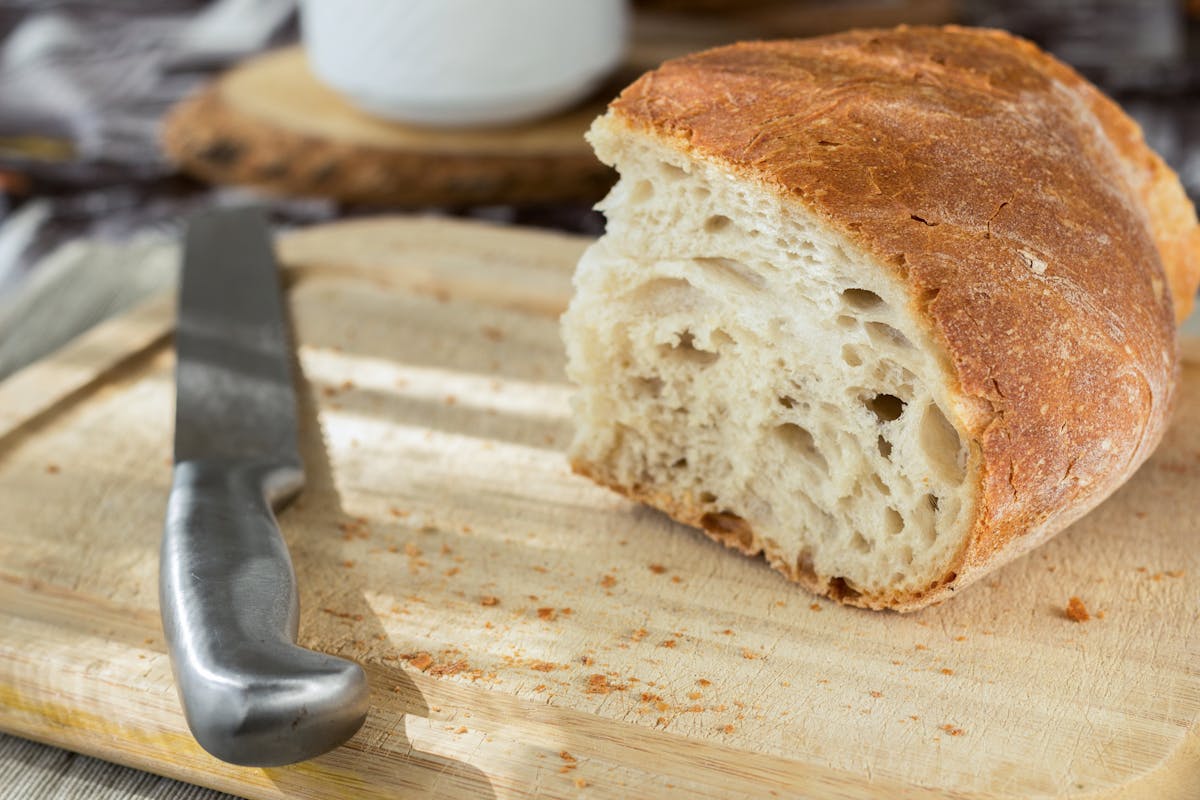
Gluten-free croissants offer a delightful alternative for those with gluten sensitivities or celiac disease, allowing them to enjoy this classic pastry without compromising their health. While traditional croissants rely on gluten to create their signature flakiness and airy layers, gluten-free versions use alternative flours like rice, almond, or sorghum. These flours, combined with careful technique, can still produce a flaky, buttery croissant that closely mimics the texture of its gluten-containing counterpart.
Although there might be slight differences in texture, with gluten-free croissants sometimes being a bit denser, many find the flavor just as rich and satisfying. For those seeking the joy of a warm, fresh croissant without gluten, these pastries offer a wonderful solution. At Wave the Grain, we take pride in crafting gluten-free croissants that provide a delicious and fulfilling culinary experience, ensuring everyone can indulge in this beloved treat.
Conclusion
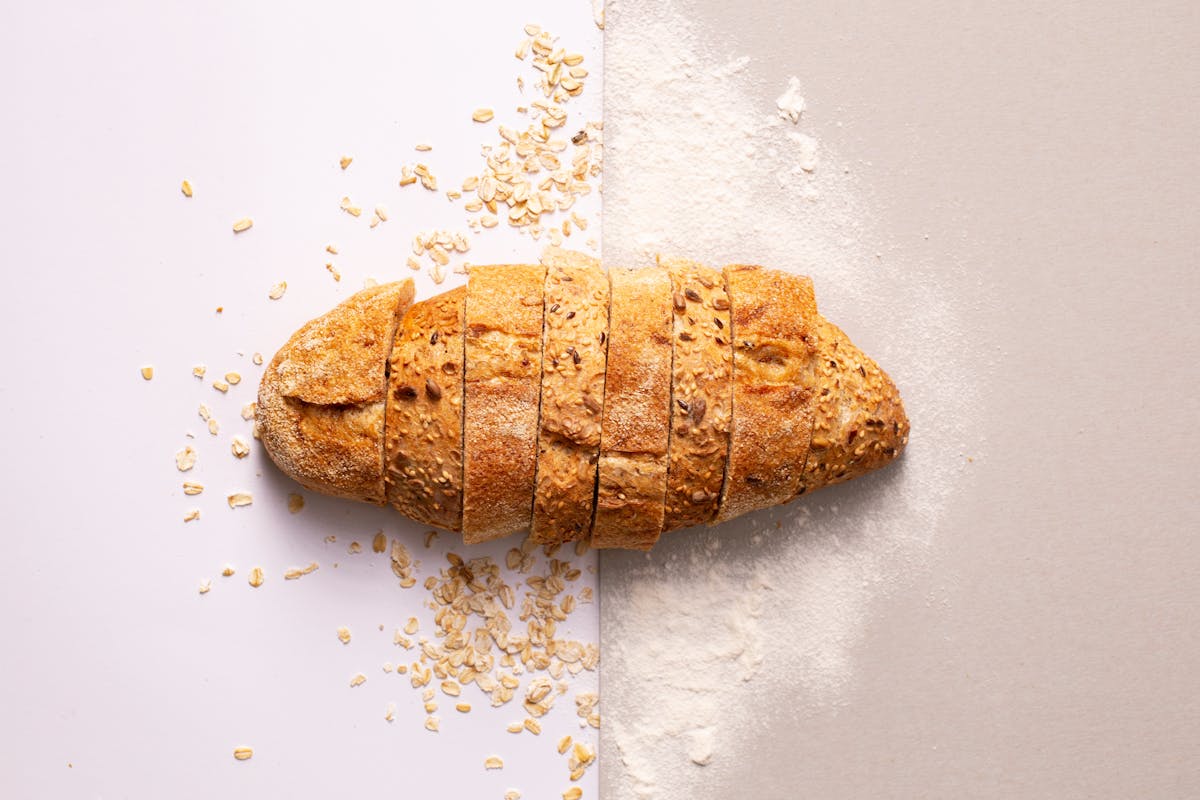
Understanding the diversity of pastry varieties deepens our appreciation of global culinary traditions by highlighting local flavors and cultural values. It invites food lovers to venture beyond their usual preferences and explore the wide array of delicious pastries, including croissants.
Whether savoring a delicate fruit tart bursting with seasonal flavors or a crunchy almond croissant with its nutty notes, each bite offers a chance to discover and admire the artistry behind these beloved treats. Embrace the journey of culinary exploration and let your taste buds experience the rich tapestry that pastries add to our food culture.
Try the delicious dairy-free or vegan croissants from Wave the Grain today! Treat yourself to a guilt-free pastry experience.